

Emotional Burnout
Emotional burnout is a condition that arises as a result of our emotional and physical exhaustion, reflecting our attitude toward work. Experts have not classified it as a medical diagnosis. Rather, it is identified as a consequence of prolonged stress. Although it is not considered a disease, it is a factor that can contribute to the development of various illnesses. In today’s world, emotional burnout is becoming increasingly common.
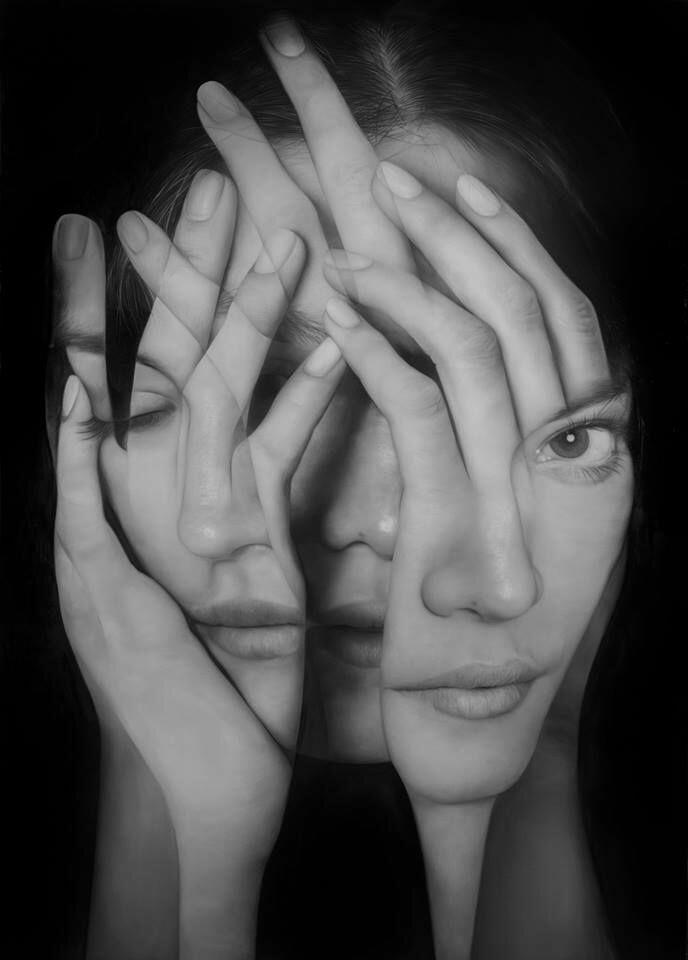
Which Professions Are More Susceptible to Emotional Burnout?
Emotional burnout is more commonly seen in professions that involve interpersonal interaction. This primarily includes people working in “people-oriented” professions such as athletes, doctors, artists, teachers, programmers, and caregivers.
Causes of Emotional Burnout
Burnout means disconnecting from the world and isolating oneself from others. In such cases, life no longer brings joy, and work no longer brings satisfaction.
- You give more than you receive;
- You carry too much responsibility;
- You are constantly forced to hide your true feelings.
Emotional burnout is widespread in social professions, and unfortunately, no measures are usually taken to prevent or treat it. What is more surprising is that many people are unaware of what it is and tend to associate it with ordinary fatigue.
What Should You Do If You Notice These Symptoms?
First of all, accept that such a condition exists. In the early stages of emotional burnout, you can help yourself. A five-minute walk, dancing, or listening to music can be very helpful. Try to shift your thoughts to other topics.
It’s important to remember that the main cause of stress in people is not disappointment or mistakes, but how they handle such situations. If you feel that your condition is getting worse, it is essential to start special treatment with a psychotherapist.
We would like to remind you of the contact number to reach our psychotherapist: +994517430022.
Most importantly, remember that emotional burnout syndrome is not a disease—it’s simply your psychological state reacting to emotional stress.


