
Год Выдающегося Писателя Низами Гянджеви: «Хамсе» и Героико-Романтическая Поэзия, Изменившая Мир
По распоряжению Президента Азербайджана 2021 год объявлен годом выдающегося поэта Низами Гянджеви. Назван он в его честь не зря, ведь в этом году исполняется 880 лет со дня рождения великого писателя.

Гениальный поэт и мыслитель Низами Гянджеви творил в 12-13 веках в одном из самых крупных и древних городов Азербайджана – в Гяндже, являющимся одним из культурных центров того времени. Поэт-мыслитель заложил основу большой литературной школы, состоящей из множества последователей. Обогатив историю мировой поэтическо-философской мысли, он прославился на весь мир.
Недаром Гянджеви называл себя волшебником слов. Язык Низами отличается от языка других поэтов и писателей, и выделятся употреблением необычных слов при описании эмоций и поведения героев. Его прославленная «Хамсе» или «Пятерица» — памятник персидской литературы, который считается жемчужиной азербайджанской поэзии. Хамсе состоит из пяти стихотворений под общим названием «Пандж Гандж», которое переводится с персидского языка как «Пять драгоценностей».
~
Сокровищница тайн
Поэма «Сокровищница тайн» написана в духе суфизма. Она разделена на двадцать глав, каждая из которых представляет собой отдельный трактат, который посвящен религиозным и этическим темам. Истории, которые обсуждают духовные и практические вопросы, проповедуют справедливость и исключают лицемерие. Основная часть поэмы состоит из двадцати «Речей». Речь первая — о сотворении мира и человека. Низами считает, что основанием для сотворения мира служила именно любовь. В последующих речах поэт призывает к справедливости и правосудию.
Сокровищница тайн – риторическая поэма, которая не несет романтический характер, чем отличается от других произведений.

~
Хосров и Ширин
Первым произведением в Пятерице, которое написал Низами, является поэма «Хосров и Ширин». Вдохновение поэт черпал из поэмы Гургани «Виc и Рамин». Поэма «Хосров и Ширин» являлась первой поэмой в персидской литературе, которая имела полное структурное единство. В поэме сочетается несколько жанров одновременно, поэтому структура ее отличается сложностью. Если не знать о том, что произведение является суфийским, можно не обратить внимание на то, что ярко описанные чувства в произведении на самом деле аллегорически передают стремление души к Богу.


~
Лейли и Меджнун
В основе сюжетной линии старинной арабской легенды Лейли и Меджнун лежит история о несчастной любви юноши Кайса, которого прозвали «Меджнун» («Безумец»), к прекрасной Лейли. Эта поэма — самое известное персидское изложение сказания о Лейли и Меджнуне. Сюжет поэм жанра “удри”, к которому относится к данному произведению, часто бывает связан с безответной любовью. Герои удри – это смешение качеств исторических личностей и вымышленных персонажей.
Новшества, которые внес Низами, превратили всеми известную легенду в прославленную поэму. Он сумел перенести развитие сюжета в городскую среду, добавил персидские мотивы, а также красочные описания природы.


Представляем вашему вниманию сюда ссылку на видеозапись оперы Узеира Гаджибекова под названием “Лейли и Меджнун” по мотивам одноименной поэмы Низами Гянджеви в главных ролях с Зейнаб Ханларовой и Арифом Бабаевым. 1978 год.
~
Семь красавиц
Название поэмы «Семь красавиц» дословно можно перевести, как «семь портретов», или как «семь красавиц», что имеет метафорическое значение. Такое двусмысленное название поэт дал поэме не зря, он воспользовался этой игрой слов. Сюжет поэмы основан на событиях персидской истории и легенде о Бахраме Гуре (Бахрам V), сасанидском шахе, отец которого Йездигерд I двадцать лет оставался бездетным и заимел сына только после того, как обратился с мольбами дать ему ребёнка к Ахура Мазде. Половина поэмы состоит из семи рассказов жён Бахрама — царевен, живущих в семи дворцах. Каждый дворец посвящён одной из планет и дню недели, а также имеет соответствующий цвет.

Прикрепляем сюда ссылку на фильм-балет Кара Караева под названием «Семь красавиц» по мотивам одноименной поэмы Низами Гянджеви. Либретто и хореография — Рафиги Ахундовой. Дирижер — Рауф Абдуллаев. 1982 год.
~
Искандернаме
Поэма Низами «Искандер-наме» переводится как «Книга Александра». Эта поэма выделяется среди других своим глубоким философским смыслом. Главный герой -Искандер (Александр Македонский), образ которого является центральным в поэме. С самого начала он выступает как идеальный государь, воюющий только во имя защиты справедливости.
Поэма состоит из двух частей: «Шараф-наме» описывает (на основе восточных легенд) жизнь и подвиги Искандера. «Икбал-наме» композиционно делится на два больших раздела, которые можно озаглавить как «Искандер-мудрец» и «Искандер-пророк». В первой части поэмы Искандер завоёвывает мир, во второй — размышляет о его бессмысленности.

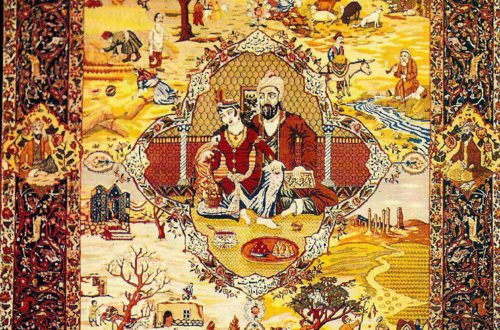
Произведения Низами, до сих пор украшающие самые известные библиотеки и музеи, дали толчок развитию искусства восточной миниатюры. В городе Баку, где Гянджеви прожил всю жизнь, установлены скульптуры, посвященные героям произведения «Семь красавиц». Также в одном из древних городов Азейрбайджана Шеки стены основного зала дворца Шекинских ханов украшены портретами героев «Хамсе».


Автор: Меин Гусейнли